
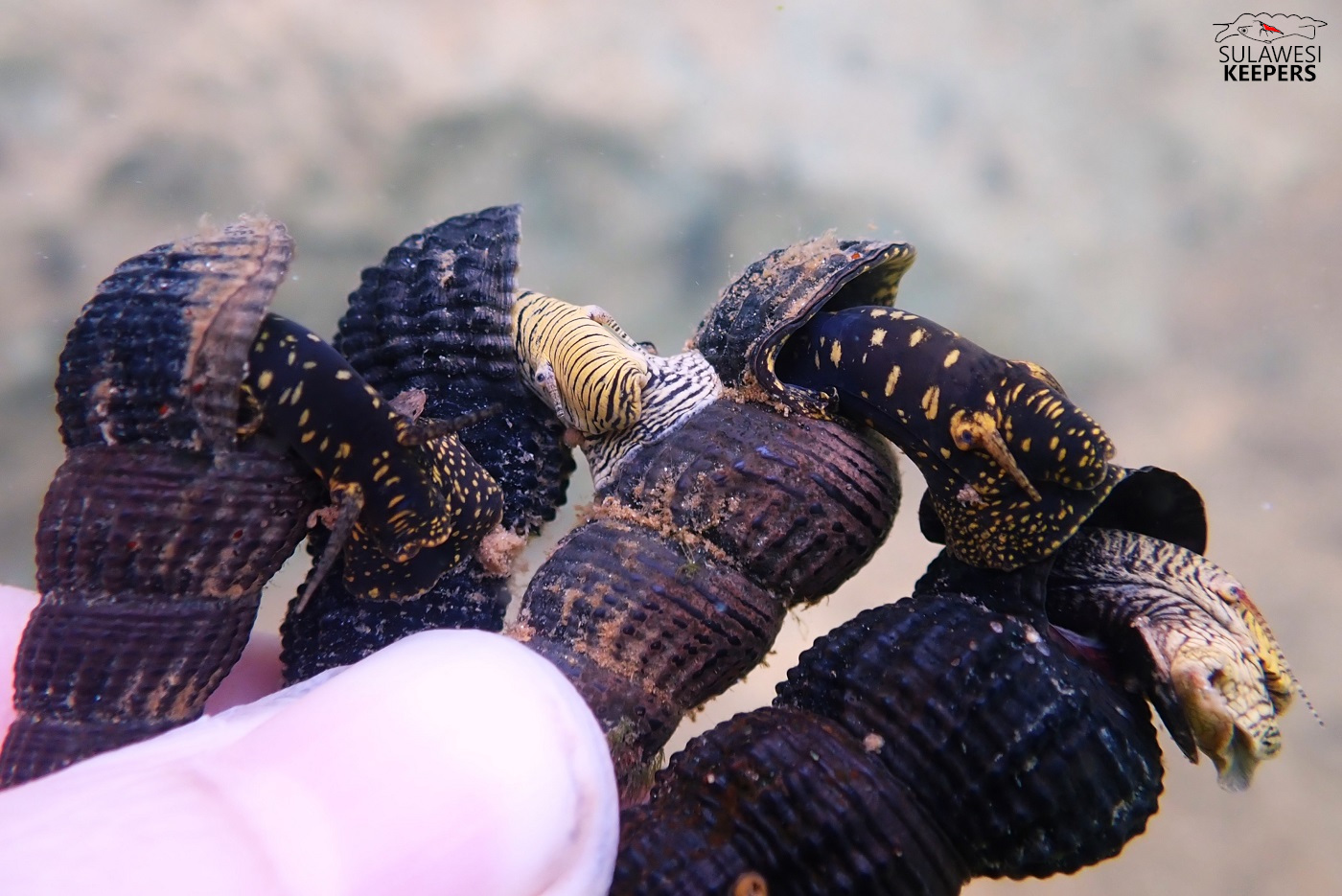
One of the main reasons why we launched the Sulawesi snail conservation breeding program was to increase aquarists' knowledge of this group of animals. Today, it is relatively easy to buy Tylomelania snails, but not all aquarists know where these creatures come from and what they need to live a happy and long life. Since these are often endangered species and by successfully breeding them in an aquarium, we can all contribute to their conservation. Sulawesi Keepers will gradually publish information and materials from both nature and aquarium. We believe that better informed breeders = better chances of maintaining the species in subsequent generations.
If you think you already know Sulawesi snails well, you can test your knowledge in the quiz:
1. How many species of tylomelania are there?
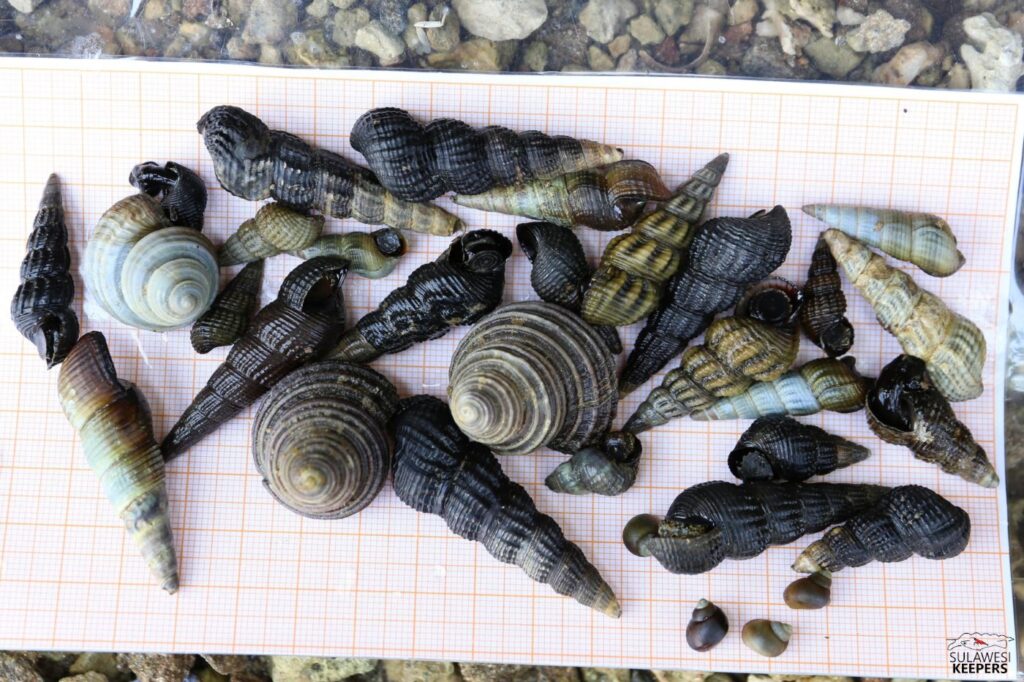
There are 43 species described so far. At least twenty more are still awaiting their scientific description. So don't be surprised that the representatives of the genus Tylomelania known from aquariums represent only a fraction of the total species diversity, not to mention the other 40 or so endemic snail species from other genera found in Sulawesi's lakes and rivers.
2. Do all tylomelania come from the well-known Sulawesi lakes?
Just some of them. Many aquarists automatically assume that Sulawesi snails (and shrimps) live in well-known lakes. But you can also buy river species, which, for example, require much lower temperatures.
3. Are the conditions in all Sulawesi lakes the same?
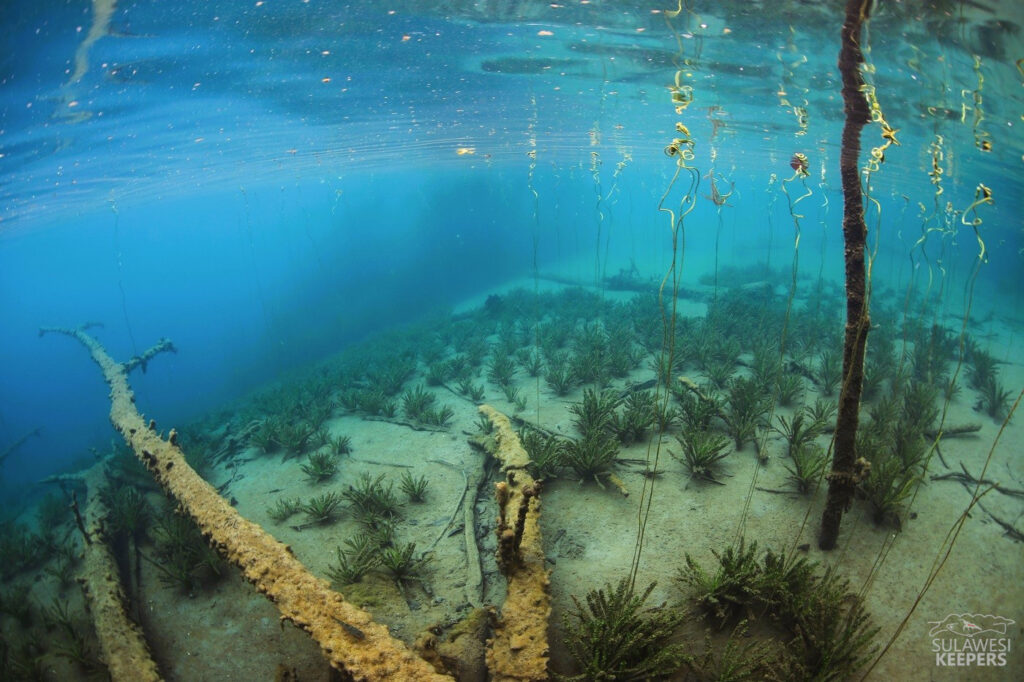
No. Lake Poso has a different water chemistry, there are also smaller differences between the individual lakes of the Malili system (Matano, Mahalona, Towuti, Masapi and Lontoa). However, for the needs of snail keeping, the differences are not significant; the water is generally around 29 °C, has a high oxygen content, is very clean, soft and yet alkaline.
4. Do Sulawesi snails eat algae?
Green filamentous algae are definitely not their natural food. Depending on their substrate preference, Sulawesi snails may be more or less willing to eat them. The so-called generalists, not tied to specifically soft or hard substrates, are omnivorous and literally voracious, so they will not avoid even algae. Other species suffer in an aquarium overgrown with algae!
5. Do Sulawesi snails need stones?
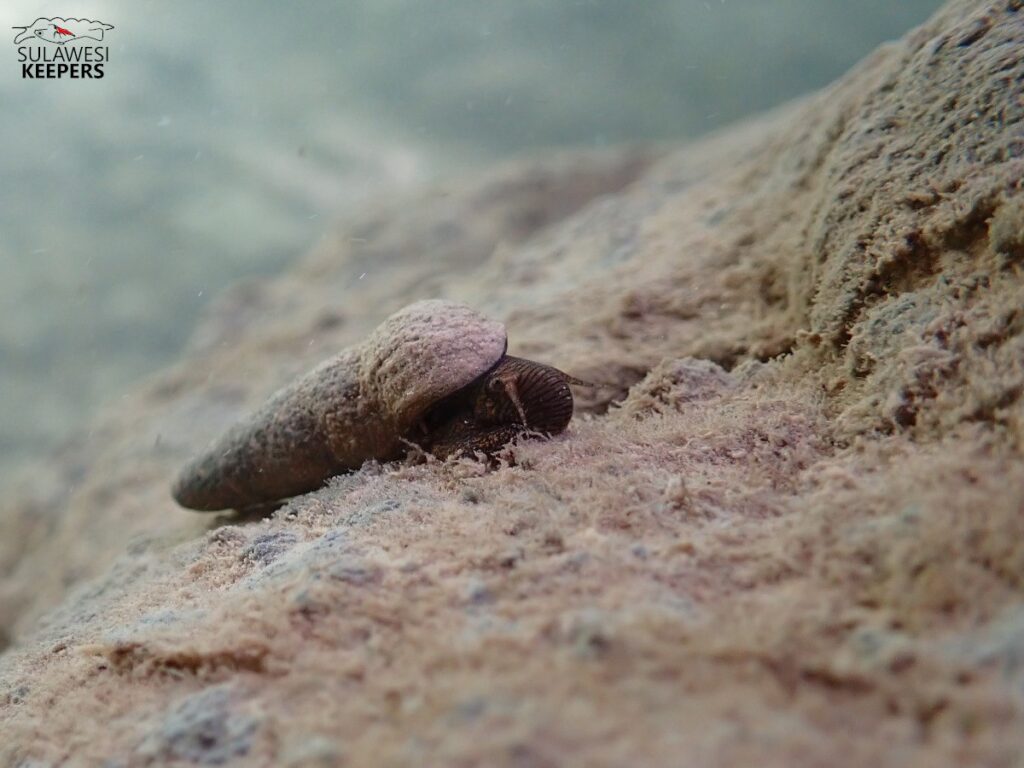
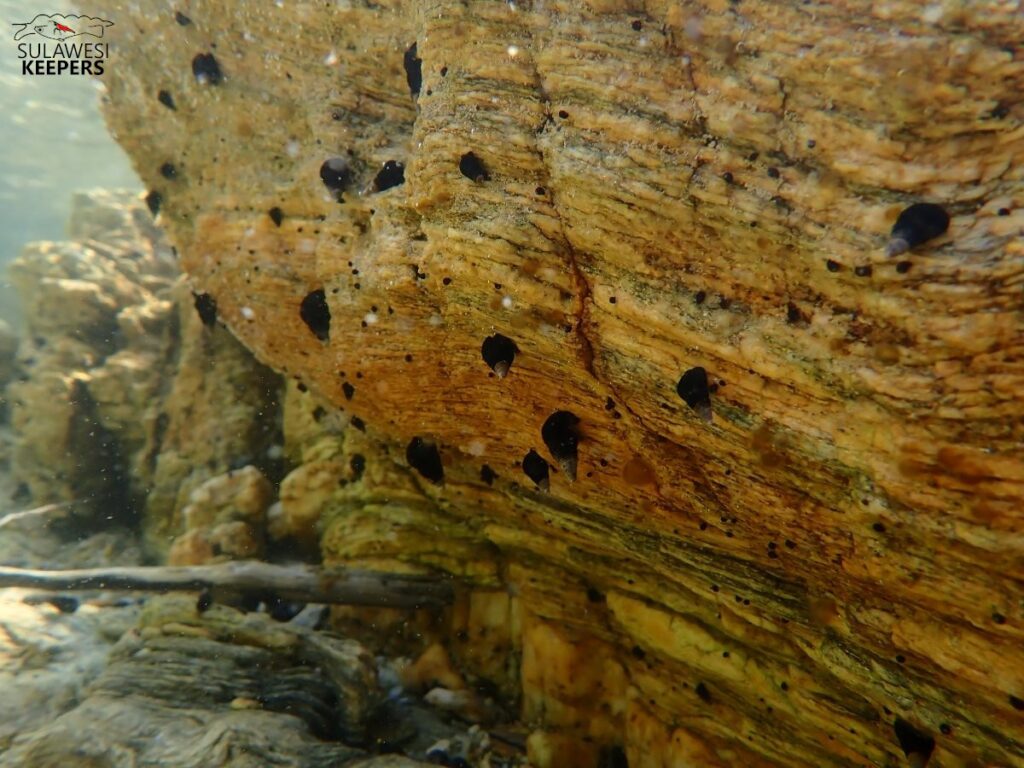
Species that prefer hard surfaces (see previous question) spend time on stones, glass or other smooth surfaces. They feed on biofilm from them. These snails don’t consume filamentous algae, and if there are a lot of them, they are a nuisance because they prevent access to the surface (and are also an indicator of water pollution). On the other hand, snail species that prefer soft substrates do not climb on stones; stones in aquarium actually take away the living space of the snails, which is made up of fine sand or mud.
6. How long do Sulawesi snails live?
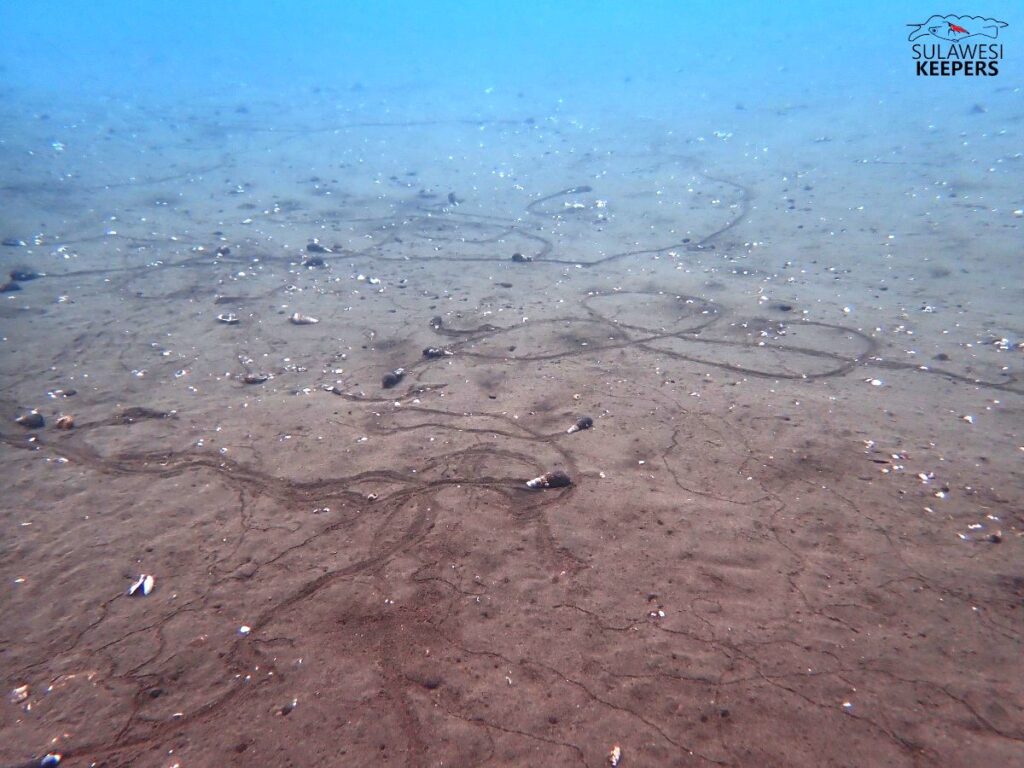
We don't know for sure. But if you're happy with keeping your tylomelania for two or three years, think again – they can live up to ten years in an aquarium! We'd love to hear from you (here) with your own findings.
7. Are tylomelania hermaphrodites?
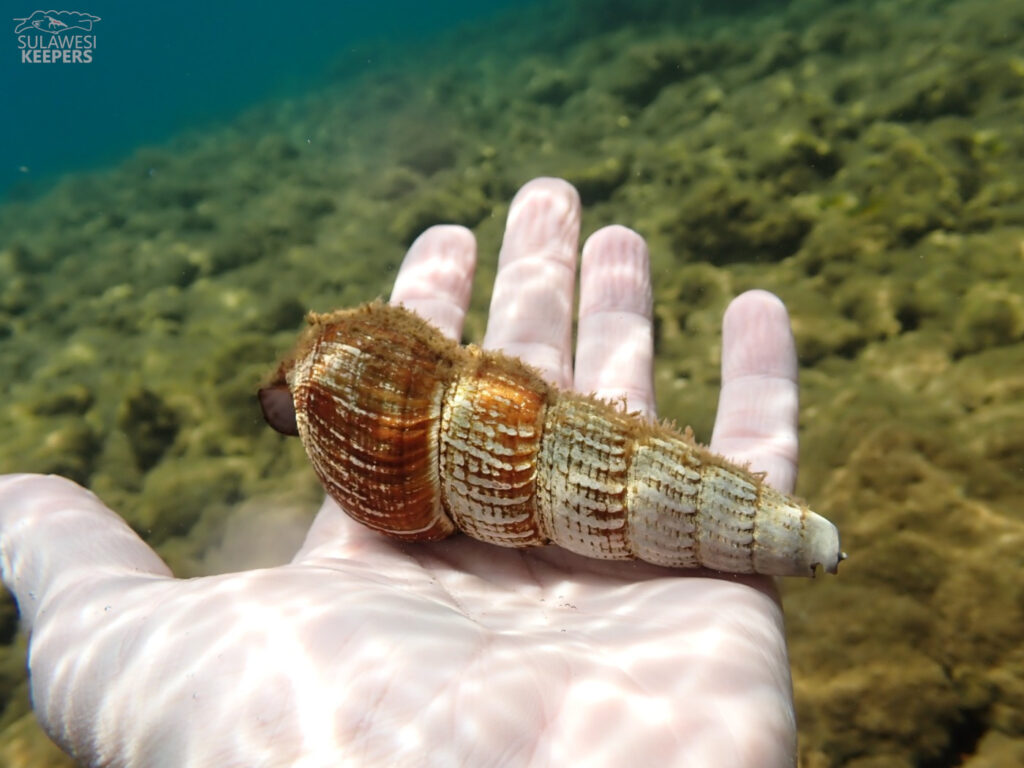
They are not. They have separate sexes, but you cannot tell the male from the female by their external characteristics. Females have embryos "in reserve", so if you find babies, it does not mean that you also have a male in the aquarium.
8. Are Sulawesi snails viviparous?
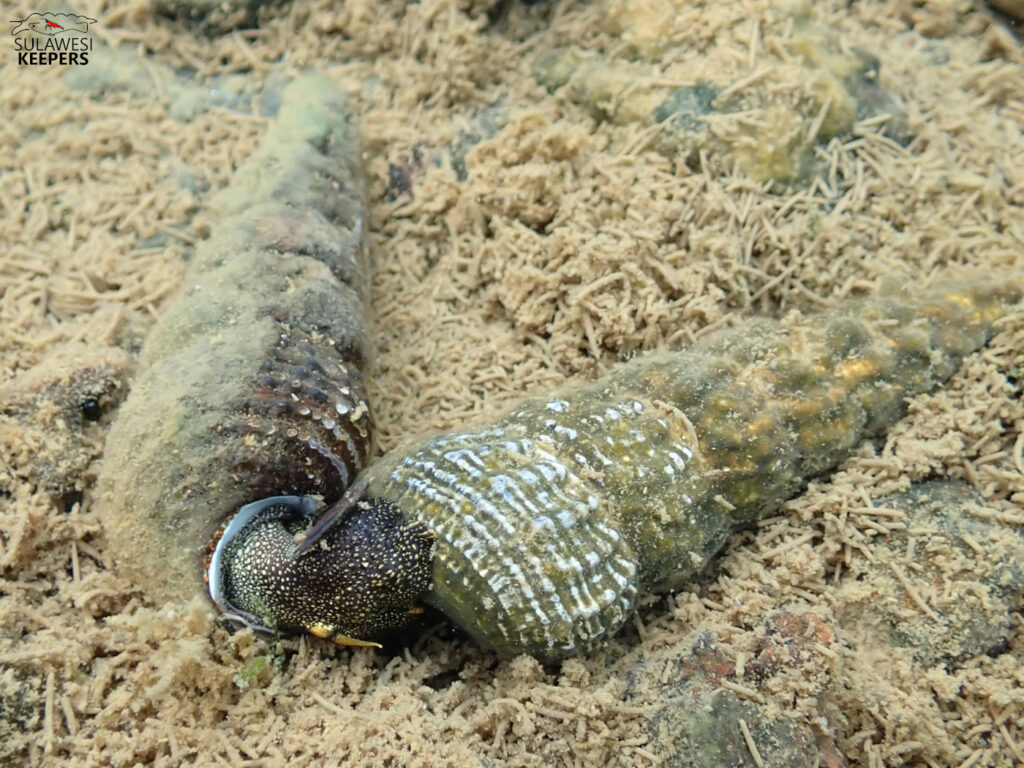
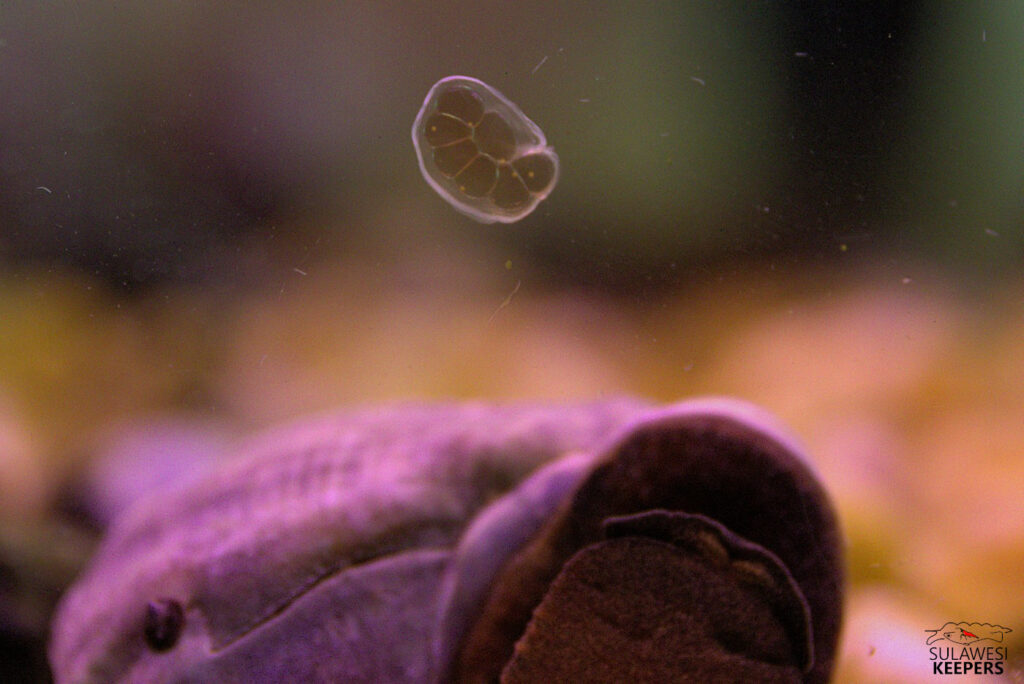
Tylomelania is, and so is Celetaia persculpta. On the other hand, representatives of the family of ramshorns (Planorbidae), which includes Miratesta celebensis or species of the genus Protancylus, lay eggs in a typical slimy coating.
9. Does soft water cause shell damage?
Soft water is not a problem, as the water in the natural habitats of many snail species is very soft. Damage to the shell can be caused by acidic water, but also by the snail falling (mechanical damage) or poor nutrition.
10. Do we know at least the most commonly kept species of Sulawesi snails?
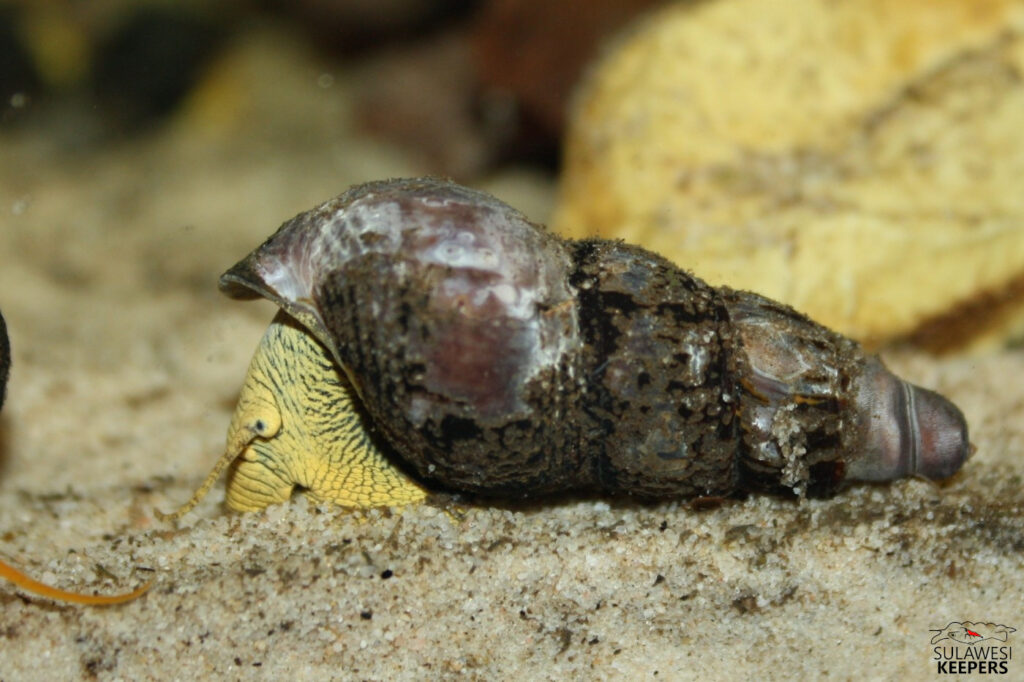
We don’t know enough! The most commonly sold species is the so-called Tylomelania sp. "Orange", in the classification according to Sulawesi Keepers (see here) it has a more accurate designation Tylomelania sp. "Poso 1 – Orange". This clearly indicates that it comes from Lake Poso, but it lives there at greater depths (allegedly below 15 m). It is collected in traps. It is a species that has not yet been scientifically described, for which unfortunately there are no photographs or observations in the wild. We will see if we will soon see a description or publication of further information.
If you don't want to miss out on more Sulawesi Keepers materials about snails from Sulawesi, follow us on Facebook and subscribe to our newsletter.
Markéta Rejlková